














Intermittent Fasting Results Explained: Weight Loss Timeline & Real Progress
Learn how long intermittent fasting takes to show results. Discover realistic weight loss timelines, weekly progress, common mistakes, and expert-backed tips for sustainable fat loss.

Intermittent Fasting Results Explained: Weight Loss Timelines You Can Expect
Intermittent fasting is often praised for delivering real, sustainable weight loss—but many people start with the same question: how long does it actually take to see results?
If you’re considering intermittent fasting or already started and feel unsure about your progress, this guide sets realistic expectations based on how the body truly responds over time. No hype, no extremes—just a clear, honest timeline most people in the U.S. experience.
How Intermittent Fasting Leads to Weight Loss
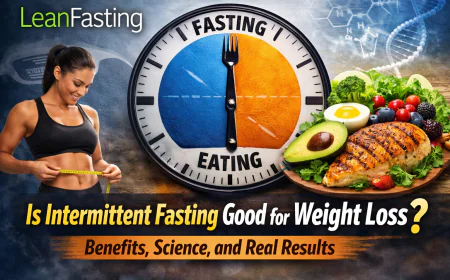
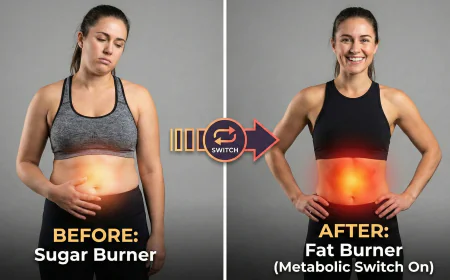
Intermittent fasting works by limiting the hours you eat, which naturally reduces calorie intake and allows your body to spend more time burning stored fat for energy. Over time, this improves metabolic flexibility, appetite control, and insulin response.
Unlike crash diets, results with intermittent fasting tend to be gradual but sustainable, which is why expectations matter.
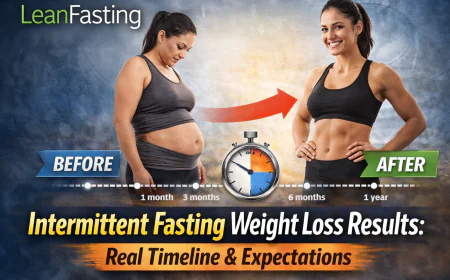
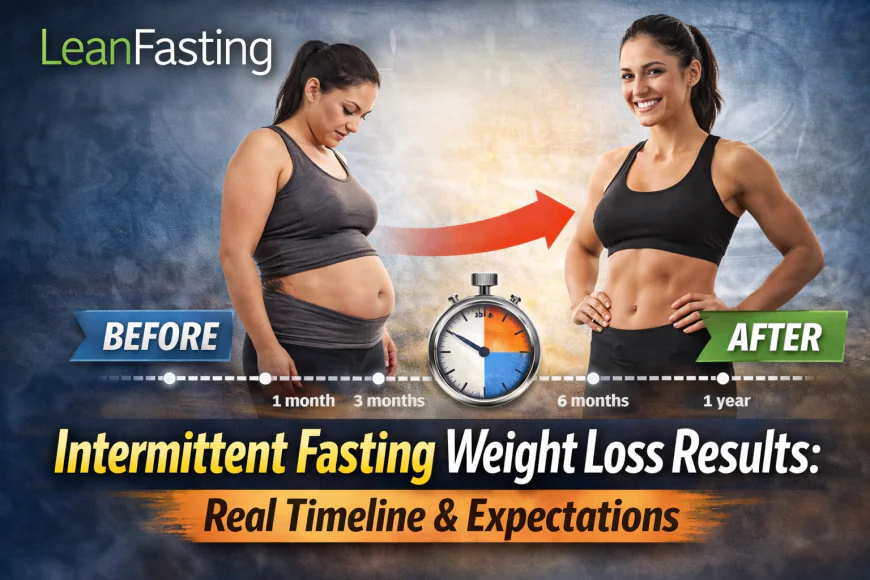
Intermittent Fasting Weight Loss Timeline
Week 1: Adjustment Phase
Most people notice changes quickly—but not all of them are fat loss.
What’s happening:
- Loss of water weight
- Reduced bloating
- Hunger fluctuations
- Energy dips or mild headaches (temporary)
What the scale shows:
2–5 pounds lost is common, mostly from water weight.
💡 This phase is about adaptation, not true fat loss yet.
Weeks 2–3: Fat Burning Begins
Your body starts becoming more efficient at using fat for fuel.
What you may notice:
- More stable energy
- Reduced cravings
- Clothes fitting slightly better
- Better control over snacking
What the scale shows:
1–2 pounds per week for most people.
This is where intermittent fasting begins to feel easier.
Weeks 4–6: Visible Weight Loss
Consistency starts paying off.
Physical changes:
- Noticeable fat loss
- Smaller waistline
- Improved digestion
- Increased confidence
Non-scale victories:
- Better sleep
- Improved focus
- Less emotional eating
At this stage, intermittent fasting becomes part of your routine rather than something you’re “trying.”
2–3 Months: Sustainable Results
This is where intermittent fasting truly shines.
Typical results:
- 8–15 pounds lost (varies by person)
- Improved body composition
- Better relationship with food
- Stronger hunger awareness
Weight loss may slow slightly, but fat loss continues if habits stay consistent.
3–6 Months and Beyond: Lifestyle Phase
Long-term intermittent fasters often stop focusing solely on the scale.
What changes long-term:
- Stable weight maintenance
- Easier portion control
- Reduced late-night eating
- Improved metabolic health
This phase is about keeping the weight off, not just losing it.
Why Results Vary from Person to Person
Intermittent fasting is not one-size-fits-all. Your results depend on:
- Starting weight and body fat percentage
- Food quality during eating windows
- Protein intake
- Activity level
- Sleep and stress
- Hormones and age
Two people following the same fasting schedule can experience different timelines—and that’s normal.
Common Mistakes That Slow Weight Loss
- Overeating during eating windows
- Relying on processed foods
- Skipping protein
- Not drinking enough water
- Poor sleep habits
- Expecting daily scale drops
Intermittent fasting works best when paired with mindful eating, not “reward eating.”
What Realistic Weight Loss Looks Like
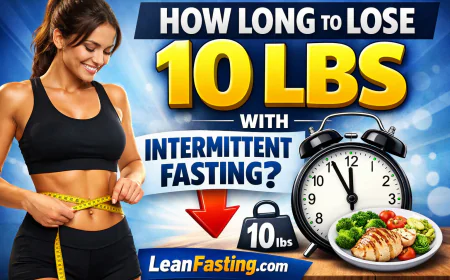
A healthy and realistic rate of weight loss with intermittent fasting is:
- 1–2 pounds per week
- 0.5–1% of body weight per week
Anything faster is usually water weight and not sustainable.
Tips to Improve Intermittent Fasting Results
- Choose a fasting schedule you can maintain
- Eat whole, protein-rich meals
- Strength train 2–3 times per week
- Stay hydrated during fasting hours
- Manage stress (it affects fat loss)
- Track progress beyond the scale
Small improvements consistently applied lead to big results.
Frequently Asked Questions
How long before intermittent fasting works?
Most people feel changes within 1–2 weeks and see visible results within 3–4 weeks.
Why Intermittent Fasting Isn’t Leading to Weight Loss for You
Common reasons include overeating, poor food choices, lack of sleep, or high stress.
Does weight loss stop after a while?
Weight loss may slow, but fat loss can continue with proper adjustments.
Is intermittent fasting better long-term?
Yes, many people maintain weight more easily compared to traditional diets.
Final Thoughts: Set the Right Expectations
Intermittent fasting is not a quick fix—it’s a long-term strategy. When done correctly, it delivers steady fat loss, better eating habits, and lasting results without extreme restrictions.
If you stay consistent, patient, and realistic, intermittent fasting can absolutely work for weight loss.