













Dirty Fasting vs. Clean Fasting: Does Adding Cream to Your Coffee Really Ruin Your Progress?
This blog explains the difference between clean fasting and dirty fasting, especially whether adding cream to coffee breaks a fast. It covers how insulin, autophagy, and calories affect fat loss, and helps readers choose the right fasting style based on their goals. The guide also includes practical tips to transition from dirty fasting to clean fasting for better results. Dirty fasting vs clean fasting explained. Learn if cream in coffee breaks your fast, affects insulin, and impacts weight loss and autophagy.

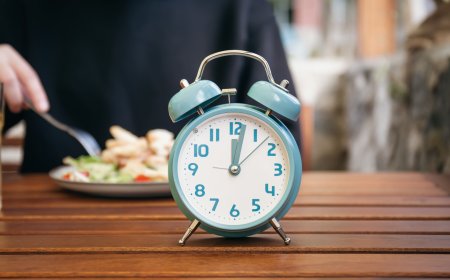
It is the most common question in the world of Intermittent Fasting and it usually strikes at 7:00 AM.
You are in the middle of your fasting window. You are tired. You brew a fresh cup of coffee. Your hand hovers over the creamer or the milk carton. You wonder: “Will a splash of this actually ruin my fast, or am I overthinking it?”
The answer lies in the debate between clean fasting and dirty fasting, a topic we often cover in our complete guide to
👉 https://leanfasting.com/intermittent-fasting-for-beginners-everything-you-need-to-know
While fasting purists will tell you that anything other than water breaks a fast, the reality for weight loss is a bit more nuanced. In this guide, we’ll break down the science of the morning coffee dilemma, explain the difference between clean and dirty fasting, and help you decide which method is right for your goals.
What Is Clean Fasting? (The Gold Standard)
Clean fasting is exactly what it sounds like: zero calories, zero flavors, zero insulin spikes.
When you clean fast, you are consuming only beverages that have absolutely no impact on your blood sugar or insulin levels. This allows your body to reach a state of autophagy, a process explained in detail in our science-backed breakdown of
👉 https://leanfasting.com/science-of-fasting-hour-by-hour
The Clean Fasting Menu:
-
Plain water (still, sparkling, or mineral)
-
Black coffee (no sugar, no cream)
-
Tea (black, green, or oolong, unsweetened)
Why Choose Clean Fasting?
If your goal is maximum health benefits—including gut rest, reduced inflammation, and cellular repair—clean fasting is the ideal approach. It also complements protocols like
👉 https://leanfasting.com/16-8-intermittent-fasting
which rely on keeping insulin levels consistently low.
What Is Dirty Fasting? (The “Training Wheels”)
Dirty fasting is a modified approach that allows small calorie intake (usually under 50 calories) during the fasting window.
The focus here is weight loss, not deep autophagy. Many people successfully lose fat using dirty fasting, especially when paired with structured eating plans like
👉 https://leanfasting.com/weight-loss
The Dirty Fasting Menu (in moderation):
-
Coffee with fat (heavy cream, almond milk, or MCT oil)
-
Bone broth (for electrolytes)
-
Non-caloric sweeteners (controversial)
-
Lemon water
Dirty fasting is often used by beginners following flexible schedules such as
👉 https://leanfasting.com/beginner-intermittent-fasting-schedule
The Problem With “Dirty” Fasting
The biggest risk is the slippery slope.
A splash of milk contains lactose (sugar), which can spike insulin and temporarily pause fat burning. This is one of the most common reasons people struggle with
👉 https://leanfasting.com/not-losing-weight-intermittent-fasting
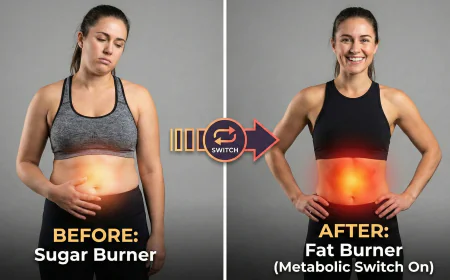
Once insulin rises, your body shifts from burning fat to burning sugar—even if total calories remain low.
The Verdict: Can I Put Cream in My Coffee?
Technically, yes—it breaks a clean fast.
But it doesn’t always destroy weight loss progress.
1. The Insulin Factor
Weight loss during fasting depends on keeping insulin low.
-
Pure fats (heavy cream, MCT oil) have minimal insulin impact.
-
Milk-based options (skim milk, oat milk) contain carbs and cause stronger insulin spikes.
This distinction becomes critical if you’re following aggressive fat-loss strategies like
👉 https://leanfasting.com/fasting-vs-calorie-counting-for-weight-loss
2. The Autophagy Factor
If your goal is longevity, gut healing, or metabolic reset, cream is a dealbreaker. Any nutrient intake interrupts autophagy, which is why clean fasting aligns better with
👉 https://leanfasting.com/metabolic-reset-fat-loss
Comparison: Which Method Should You Choose?
Choose Dirty Fasting If:
-
You’re new to fasting and building consistency
-
Your main goal is weight loss, not longevity
-
You train in the morning and need quick energy
Many people combine dirty fasting with plans like
👉 https://leanfasting.com/best-intermittent-fasting-schedules-explained-leanfasting
Choose Clean Fasting If:
-
You’ve hit a weight loss plateau
-
You want maximum health benefits
-
Cream or sweeteners trigger cravings
Clean fasting pairs especially well with long-term approaches such as
👉 https://leanfasting.com/intermittent-fasting-for-health
3 Tips for Transitioning From Dirty to Clean
-
Dilute gradually – reduce cream week by week
-
Upgrade your beans – better coffee needs less masking
-
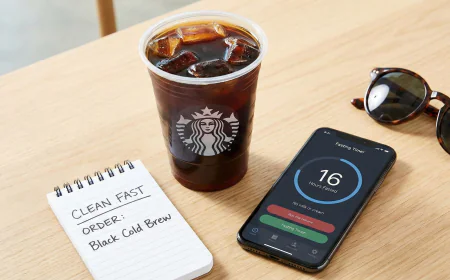
Try cold brew – smoother, less acidic, easier to drink black
This transition is often recommended in advanced fasting protocols like
👉 https://leanfasting.com/omad-one-meal-a-day-benefits-risks-how-to-get-started
Conclusion
Does adding cream to your coffee ruin your progress? Not necessarily.
If that splash of cream keeps you consistent and stops you from overeating later, it can still work—especially for weight loss. But if your goal is maximum fat burning, metabolic health, and anti-aging benefits, clean fasting is the clear winner.
Consistency beats perfection. Master the habit first—then optimize.