












Electrolytes 101: How to Prevent Headaches and Fatigue While Fasting
Don't let the 'Fasting Flu' ruin your progress. This no-nonsense guide explains why headaches, dizziness, and fatigue happen when fasting (it's not low blood sugar—it's electrolyte loss). Learn about the "Big Three" electrolytes (Sodium, Magnesium, Potassium) and get a simple, DIY "Fasting Fuel" drink recipe to keep your energy high and symptoms at bay.

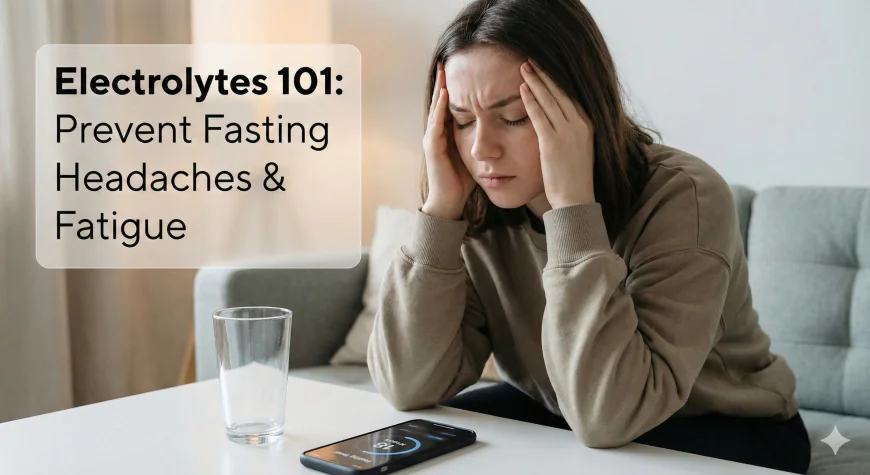
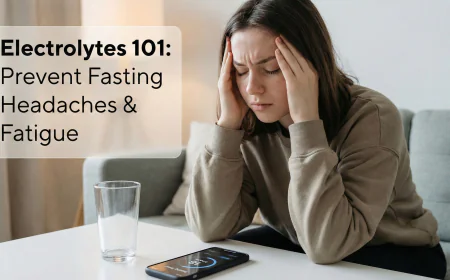
You know the feeling. You’re 14 hours into a fast, feeling pretty proud of yourself. You’re not even that hungry. But then, it hits you—a dull throb behind your eyes, a wave of dizziness when you stand up, or just a general feeling of being "heavy."
Most beginners panic and think, "Oh no, my blood sugar is crashing, I need to eat!"
Spoiler alert: You probably don't need food. You just need salt.
This is what the veteran fasters call the "Fasting Flu." It’s not a virus; it’s a chemistry problem. And the good news? You can fix it in about 15 minutes for pennies.
Here is the no-nonsense guide to electrolytes and how to keep your energy high while the calories are low.
Why Do I Feel Like Garbage? (The Science-ish Part)
When you stop eating, your insulin levels drop. This is great—it’s literally the point of fasting because it unlocks fat burning.
However, when insulin drops, your kidneys get the signal to dump excess water. Hence, you lose so much “water weight” in the first week.
The problem is that water doesn't leave alone. It takes your electrolytes with it.
Electrolytes are minerals that conduct electricity in your body. They keep your heart beating right, your muscles firing, and your brain communicating. When you flush them out down the toilet (literally), your body starts to short-circuit. That’s the headache.
The Big Three: What You Actually Need
You don’t need a fancy $50 tub of powder. You mainly need to focus on these three:
1. Sodium (The MVP)
We’ve been trained to fear salt, but when you are fasting, salt is your best friend. Sodium holds onto water so you don't get dehydrated.
- Symptoms of low sodium: Headaches, lightheadedness, nausea.
- The Fix: Put a pinch of high-quality salt (Sea Salt or Himalayan Pink Salt) on your tongue and wash it down with water. You’ll be shocked at how fast a headache vanishes.
2. Magnesium (The Relaxer)
Magnesium is involved in hundreds of bodily processes. It’s also the first thing to go when you are stressed.
- Symptoms of low magnesium: Muscle cramps (charley horses), twitchy eyelids, trouble sleeping, and anxiety.
- The Fix: Take a magnesium supplement before bed (Magnesium Glycinate is best for sleep; avoid Magnesium Oxide unless you want to spend the night in the bathroom).
3. Potassium (The Balancer)
Potassium works with sodium to keep your cell pressure balanced.
- Symptoms of low potassium: Heart palpitations (feeling your heart beat hard), muscle weakness.
- The Fix: This is tricky because pure potassium supplements are limited by law. The best way? Cream of Tartar (from the baking aisle) or "No-Salt" salt substitutes. *Note: Be careful with potassium; too much is dangerous. Start small.*
What NOT To Drink
If you feel dizzy, do not reach for a Gatorade or Vitamin Water.
Why? Because they are loaded with sugar (or artificial sweeteners that might spike insulin). Drinking a sports drink defeats the entire purpose of your fast. You are trying to lower insulin, not spike it.
The "Fasting Fuel" Drink (DIY Recipe)
You can buy expensive fasting salts, but you can also make this at home. Sip this throughout your fasting window, especially if you are doing OMAD (One Meal A Day) or longer fasts.
- - 1 Liter of Water
- - 1/4 to 1/2 tsp Pink Himalayan Salt (Sodium)
- - 1/4 tsp "No-Salt" or Potassium Chloride (Potassium - *Optional but helpful*)
- - A squeeze of Lemon or Lime juice (Minimal calories, helps the taste)
- - Optional: Apple Cider Vinegar (Great for blood sugar control)
*Shake it up and sip it. Don't chug it, or your stomach might get upset.*