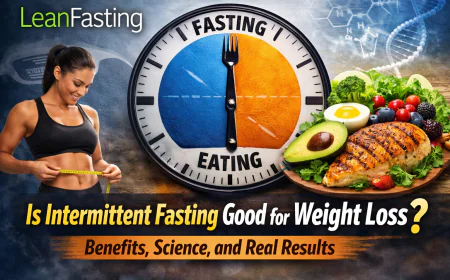










Is Intermittent Fasting Good for Weight Loss? Benefits, Science, and Real Results
Is intermittent fasting good for weight loss? Learn the science-backed benefits, real results, and whether intermittent fasting actually works for sustainable fat loss.

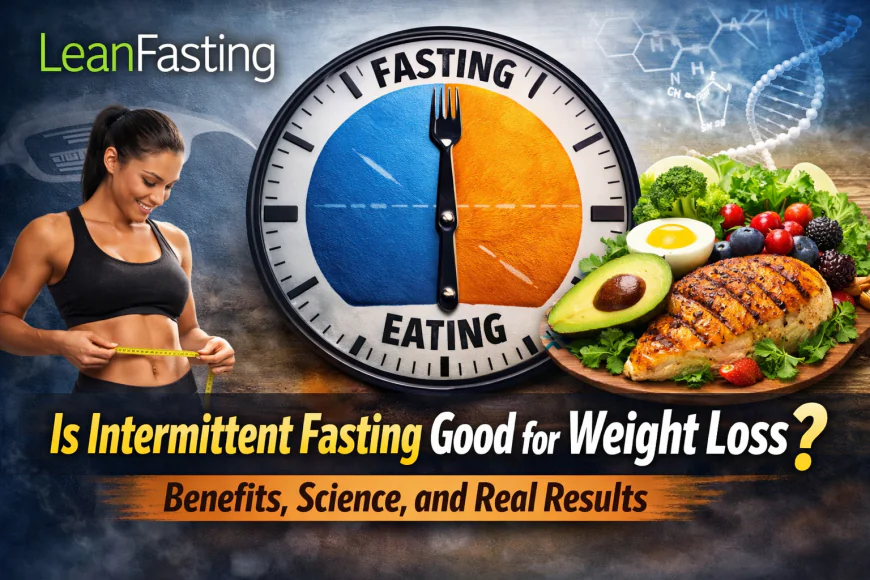
Intermittent fasting has become one of the most talked-about weight loss approaches in the United States. From busy professionals to fitness enthusiasts, many people are turning to this eating pattern because it feels simpler and more flexible than traditional diets. But the big question remains: is intermittent fasting actually good for weight loss, or is it just another trend?
This blog breaks it all down in a clear, easy-to-read way—covering how intermittent fasting works, what science says, and what real results you can realistically expect.
What Is Intermittent Fasting?
Intermittent fasting (often called IF) is not about what foods you eat—it’s about when you eat. Instead of eating throughout the entire day, you alternate between periods of eating and fasting.
During fasting hours, your body gets a break from constant digestion. Over time, this can help regulate appetite, improve how your body uses energy, and support weight loss without strict calorie counting.
Popular Types of Intermittent Fasting
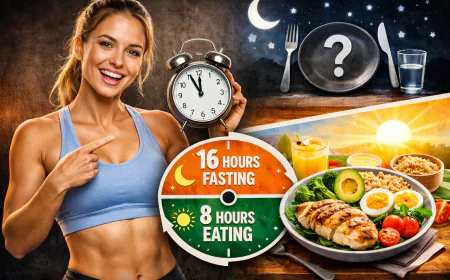
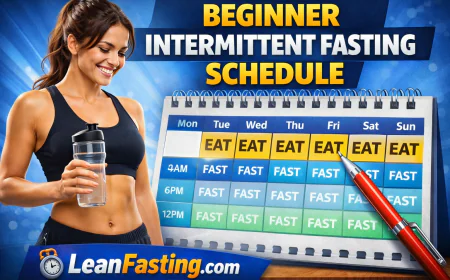
16:8 Method
You can eat during an 8 hour window and fasting 16 hours. For example, eating from 12 PM to 8 PM. This is the most popular and beginner-friendly method in the U.S.
14:10 Method
A gentler option where you fast for 14 hours and eat within a 10-hour window. Great for beginners or people easing into fasting.
5:2 Method
You eat normally five days a week and significantly reduce calories on two non-consecutive days.
Alternate-Day Fasting
You alternate between regular eating days and very low-calorie or fasting days. This method is more aggressive and not ideal for everyone.
How Intermittent Fasting Helps with Weight Loss
- Naturally Reduces Calories: When you eat fewer hours per day, you’re less likely to overeat or snack out of boredom.
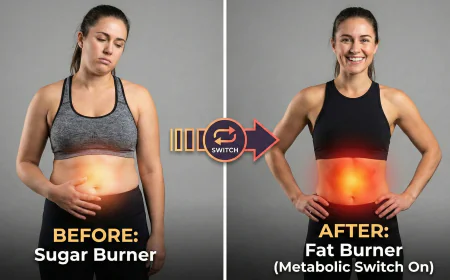
- Boosts Fat Burning: After your body uses stored sugar, it turns to fat for energy.
- Improves Insulin Sensitivity: Lower insulin levels make it easier to access stored fat.
- Controls Hunger Hormones: Helps regulate appetite and reduce cravings.
Science-Backed Benefits of Intermittent Fasting
- Supports fat loss while preserving muscle
- Helps stabilize blood sugar
- May reduce inflammation
- Supports metabolic health
- Improves mental clarity
- Encourages mindful eating
Unlike crash diets, intermittent fasting works with your body’s natural rhythms instead of against them.
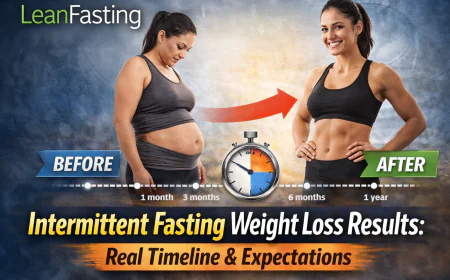
Real Weight Loss Results: What to Expect
First Week
- Water weight loss
- Reduced bloating
- Hunger adjustments
30 Days
- Noticeable fat loss
- Improved energy
- Better craving control
90 Days and Beyond
- Sustainable weight loss
- Healthy habits
- Improved body composition
Results vary based on age, activity, food choices, sleep, and stress—but consistency matters most.
Is Intermittent Fasting Safe for Everyone?
Intermittent fasting is generally safe for healthy adults, but it’s not for everyone.
- Pregnant or breastfeeding women
- History of eating disorders
- Diabetes or blood sugar conditions
- Medication requiring frequent meals
Common beginner mistakes include overeating, dehydration, and skipping protein.
Intermittent Fasting vs Traditional Diets
Compared to Calorie Counting: Easier, less stressful, no tracking.
Compared to Keto: Flexible, social-friendly, no carb restriction.
Compared to Low-Fat Diets: Better appetite control, more satisfying.
Many Americans find intermittent fasting more sustainable because it fits real life.
Tips to Maximize Weight Loss
- Eat whole foods
- Prioritize protein
- Drink enough water
- Avoid processed foods
- Strength train weekly
- Sleep well
Intermittent fasting works best as part of a healthy lifestyle.
Frequently Asked Questions
Does intermittent fasting burn belly fat?
Yes, it helps reduce overall fat.
How fast can I lose weight?
Most people lose 1–2 pounds per week.
Can I drink coffee?
Yes, black coffee and tea are allowed.
Is it good for women?
Yes, with shorter fasting windows.
Will it slow metabolism?
No, it supports metabolic flexibility.
Final Verdict
Yes—intermittent fasting can be an effective and sustainable way to lose weight when done correctly.